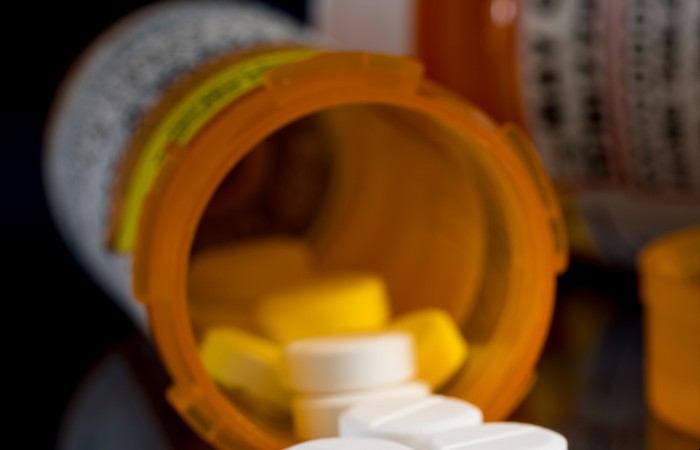
Patients prescribed dependency-forming medicines in England fell in last 10 years
Neil Trainis,
04 Aug 2026 2 Min
2 Min

Neil Trainis,
04 Aug 20262 Min
Neil Trainis,
04 Aug 20262 Min


The number of patients prescribed dependency-forming medicines in England has fallen in the last 10 years although opioids are still the most prescribed drug, according to the latest figures from the NHS Business Services Authority (NHSBSA).
The NHSBSA's report showed a 14 per cent drop in patients prescribed dependency-forming medication between 2016-17 and 2025-26, going from 8.1 million to seven million in that period.
In 2025-26, 66 million items of dependency-forming medicines were prescribed at a cost of £325 million, a 57 per cent decrease from 2016-17 when the cost stood at £756 million.
Thirty-nine million opioid drug items were prescribed at a cost of £256 million in 2025-26, while the most deprived parts of the country had 59 per cent more patients receiving dependency-forming medicines than the least deprived areas.
The total cost of opioid drugs has fallen by 32 per cent since 2016-17 while the cost of gabapentinoids dropped by 87 per cent since then.
About 60 per cent of patients who were prescribed a dependency-forming medicine were female. In March this year, the most common combination of dependency-forming medicines prescribed to patients was opioids and antidepressants. About 650,000 patients were prescribed that combination.
Opioid prescribing decreased from 117 to 94 patients per 1,000 population and benzodiazepines fell from 26 patients to 15 per 1,000.
Z-drugs decreased from 19 patients to 12 per 1,000 while gabapentinoids increased from 25 patients to 28 patients per 1,000.
Between 2024-25 and 2025-26, opioid items fell by one per cent or 390,000 items, benzodiazepines dropped by five per cent or 280,000 items and Z-drugs items also fell by five per cent or 250,000 items. Gabapentinoid items increased by two per cent or 400,000 items.